Twitching before sleep: where does the sudden shock come from?
You’ve probably experienced it before: a sudden twitching before sleep that makes you jerk awake. Many people then lie awake for a few seconds, wondering what just happened. But don’t worry – this phenomenon, known as a hypnic jerk, is very common. Up to 70% of people experience it occasionally – sometimes as a strong jolt, sometimes as the sensation of falling. And although this sudden shock can be surprising and may temporarily affect your sleep quality, it is usually harmless. Here, we explain what causes it and how you can reduce these twitches.
by CALIDA
December 10, 2025•5 min reading time
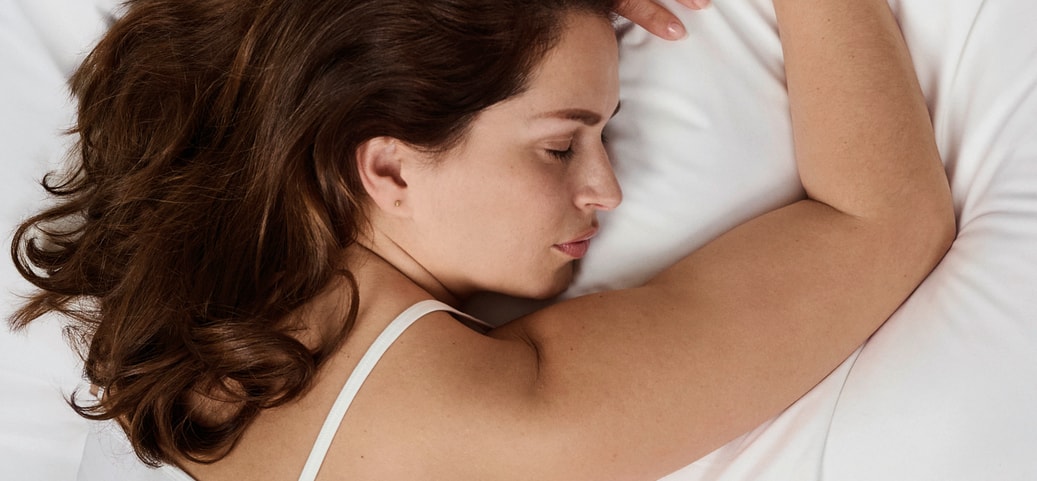
A person sleeps sideways in bed, partly covered by white sheets. The image is split horizontally.
Table of Contents
The key points
Hypnic jerks are sudden muscle twitches that occur during the transition from wakefulness to sleep.
Stress, fatigue, or irregular sleep schedules can make these twitches more pronounced. Relaxation and a calm sleep environment help you fall asleep gently.
Twitching before sleep is usually harmless. However, if it occurs alongside other symptoms, it could indicate an underlying health issue.
Muscle twitches: why we jerk awake when falling asleep
In medicine, the sudden jerking awake while falling asleep is called sleep myoclonus (also known as a hypnic jerk). During this phase, individual muscles or muscle groups contract suddenly, which usually appears as a slight body twitch. Sometimes, the arms and legs may also flail briefly.
The exact cause of these twitches is not yet fully understood. Researchers believe that during the transition to sleep, the body and mind are not yet fully coordinated by the brain. As the body gradually relaxes and muscle tension decreases, the brain may mistakenly interpret this state as a risk of falling, triggering a sudden startle reaction.
Overfatigue, nervousness, or high consumption of caffeine, alcohol, and nicotine can increase the likelihood of twitching before sleep. In general: the more tense your nervous system, the stronger your reaction to the transition between wakefulness and sleep.
Evening relaxation helps you fall asleep gently
If you frequently experience twitching before sleep or find it difficult to relax due to sudden jerks, it is important to improve your sleep hygiene and signal to your body that it is time to sleep.
Establish a calm evening routine, starting about an hour before bedtime. This could include:
Turning off all screens and dimming the lights. Candlelight or a fireplace can be very relaxing.
Ensuring a quiet, tidy environment that promotes a sense of well-being.
Enjoying a warm herbal tea or doing light breathing or relaxation exercises to reduce stress and calm the nervous system.
Keeping the bedroom at a temperature between 16 and 18°C. Regularly airing the room improves the overall climate.
In addition, breathable nightwear from CALIDA ensures maximum comfort in the evening and during the night. For example, our soft TENCEL™ pyjamas gently support your body in falling asleep naturally
Tip: If you cannot fall asleep despite feeling tired, don’t lie awake for long. Instead, get up briefly, read a few pages of a book, or do a short breathing exercise. This reduces tension and pressure without disturbing the calm atmosphere.
Night-time twitches: when to seek medical advice
Occasional jerking while falling asleep is completely normal – children often even wake briefly during these episodes. However, if the twitches occur every evening, wake you multiple times during the night, or are accompanied by other symptoms such as pain, shortness of breath, or persistent rapid heartbeat, you should have the cause medically evaluated.
Although it is usually nothing serious, sometimes neurological or organic conditions can be responsible. Examples include:
Pavor nocturnus (night terrors with panic) and other sleep disorders
Parkinson’s disease
Alzheimer’s disease and dementia
Organ damage, such as kidney or liver disease
Metabolic disorders
Healthcare professionals can determine through targeted examinations whether it is just harmless twitching before sleep or if other disorders are present. If you are unsure, don’t hesitate to seek professional help. A sleep laboratory is often a reliable and popular point of contact.
Conclusion
A twitch or sudden jerk while falling asleep is harmless in most cases. It can be described as a small “misfire” of the nervous system while your body transitions from wakefulness to sleep. However, if you experience these twitches before sleep very frequently, triggers such as stress, overfatigue, or an irregular sleep schedule could be involved.
With a conscious evening routine, relaxing rituals, and a comfortable sleep environment, you can usually reduce these twitches or the sensation of falling. For example, maintain consistent bedtimes, avoid caffeine in the evening, and alongside regular physical activity, make time for daily moments of calm. CALIDA’s balancing nightwear also contributes to a sense of well-being, helping you relax fully.
If the twitching before sleep persists despite these measures, or is accompanied by symptoms such as severe anxiety, pain, or persistent rapid heartbeat, medical advice is recommended. This way, you can be confident that your evening startle is nothing to worry about – and you can soon fall asleep and stay asleep peacefully again.
Discover more interesting blog posts: