First bra: When is the right time & what you need to know
Your body is changing, and you’re wondering whether it’s time for your first bra. This guide explains which bra styles are ideal for beginners and how to find the right size with ease.
by CALIDA
April 1, 2026•4 min reading time
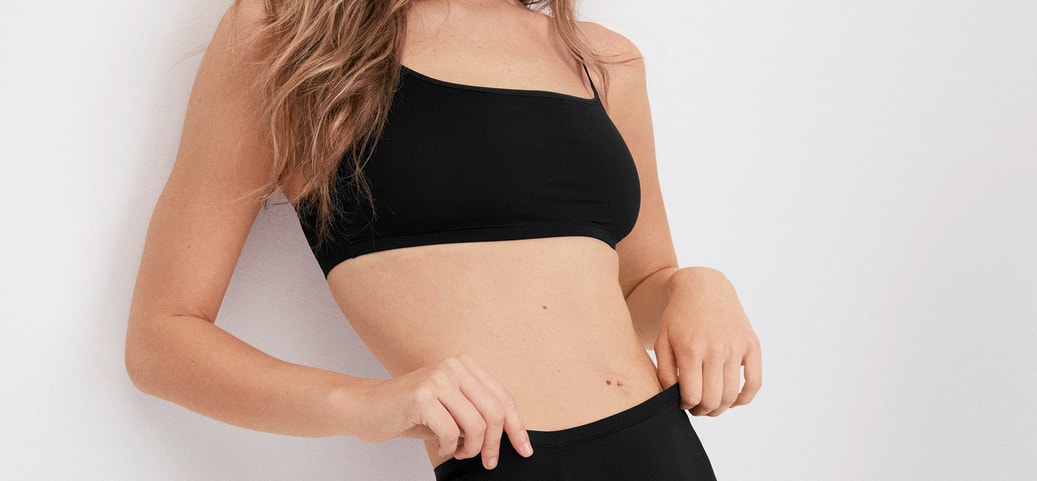
The first bra supports the body through its changes and offers gentle comfort for growing needs.
Table of Contents
How do you know it’s time for your first bra?
• Movement becomes uncomfortable
• You feel better with support
Which bra styles are suitable for a first bra?
• Soft bra or bustier: The perfect choice for beginners
• Sports bras for active girls
• Bra styles to avoid at the beginning
How to find the right size for your first bra in 3 steps
• Fit check: How your bra should sit
The key points
The first bra often becomes relevant at the beginning of puberty, when the breasts start to grow. Many girls notice tenderness or discomfort during movement, especially in sports.
Soft bras or wire‑free bustiers made from skin‑friendly materials like cotton are ideal for starting out. They feel gentle, offer light support and are comfortable for everyday wear.
You can find the right size by measuring your underbust and bust. Understanding sister sizes and getting personal advice can also help.
How do you know it’s time for your first bra?
Puberty brings many physical changes — breast development is one of them. Many girls ask themselves when the right moment for their first bra has arrived. There is no universal “right or wrong”.
Some girls prefer not to wear a bra at all, while others feel ready once their breasts begin to grow — often between the ages of 9 and 13. These signs can help you recognise whether it might be time.
Visible breast development
As your breasts begin to form, you may notice small curves becoming visible under your T‑shirts. If you feel uncomfortable when your developing breasts show through tight or light‑coloured tops, a soft, gentle bra can offer ease and subtle coverage.
Tenderness or slight pain
During puberty, your breasts may feel sensitive or tight — a normal part of growing. Try a bra and see whether a soft, wire‑free style provides comforting support, or whether you prefer the natural feel without an extra layer.
Movement becomes uncomfortable
If running, sports or active hobbies feel unpleasant, a bra can give you the support you need to move freely again.
You feel better with support
If a bra feels good not only during sports but also in everyday life, that’s a strong sign you’re ready. Comfort and confidence are key.
Which bra styles are suitable for a first bra?
For your first bra, comfort is essential. The right style should feel soft, supportive and natural.
Soft bra or bustier: The perfect choice for beginners
A soft bra or bustier is ideal for your first bra. Benefits include:
No pressure or discomfort from wires
Soft, skin‑friendly materials
Flexible fit that adapts as your body changes
Perfect for school and everyday wear
At CALIDA, you’ll find bustiers made from breathable natural fibres that feel wonderfully gentle on the skin.
Sports bras for active girls
If you love sports or move a lot, a sports bra can be a great option. It offers extra support and creates a naturally rounded shape, helping you feel comfortable and confident during training.
Bra styles to avoid at the beginning
To ease into wearing bras, comfort should come first. Wired bras or push‑up bras are often not ideal for young girls, as their firm structure can feel restrictive while the breasts are still developing.
How to find the right size for your first bra in 3 steps
Even though your breasts are still growing, it’s important to start with the right size.
Measure your underbust: Place a measuring tape horizontally under your breasts. This number forms the band size (e.g. 70, 75, 80).
Measure your bust: Measure around the fullest part of your breasts. The tape should sit comfortably — not too loose, not too tight.
Calculate your size: The difference between bust and underbust measurement determines your cup size.
Difference | Cup size |
10–11 cm | AA |
12–13 cm | A |
14–15 cm | B |
16–17 cm | C |
18–19 cm | D |
20–21 cm | E |
Since sizes vary between brands, it’s helpful to try sister sizes — one band size up and one cup size down, or vice versa.
Fit check: How your bra should sit
These signs show that the fit is right:
Straps stay in place without digging in
The underband sits straight around your body
Cups fully surround your breasts without pressing or gaping
You can move freely without the bra shifting
If you’re unsure, you can ask for help in a store, online or from someone you trust.
Choosing the right material: The key to comfort
Material plays a major role in how your first bra feels. Look for:
Skin‑friendly fabrics like cotton or TENCEL™
Breathability to regulate moisture and temperature
Soft finishes without scratchy seams or stiff labels
Elasticity that adapts to your body and keeps its shape
CALIDA uses high‑quality, sustainable natural materials that feel soft, safe and comfortable — ideal for your first bra.
Conclusion
Your first bra is a meaningful step during puberty, and only you can decide when the time feels right. Choose soft, comfortable materials and start with a wire‑free soft bra or bustier.
You’ll find the right size by measuring your bust and underbust. Most importantly, your bra should feel good, stay in place and give you confidence — at school, during sports and in everyday life. CALIDA offers premium bras designed to support you gently and naturally as you grow.
Discover more interesting blog posts: