Drooling in Sleep: Causes and What You Can Do About It
Do you wake up in the morning to find your pillow wet? Don’t worry—drooling in sleep is a phenomenon that many people experience from time to time. While it can feel embarrassing, in most cases, nighttime drooling is completely harmless. We explain why it happens and what you can do to reduce it.
by CALIDA
March 4, 2026•4 min reading time
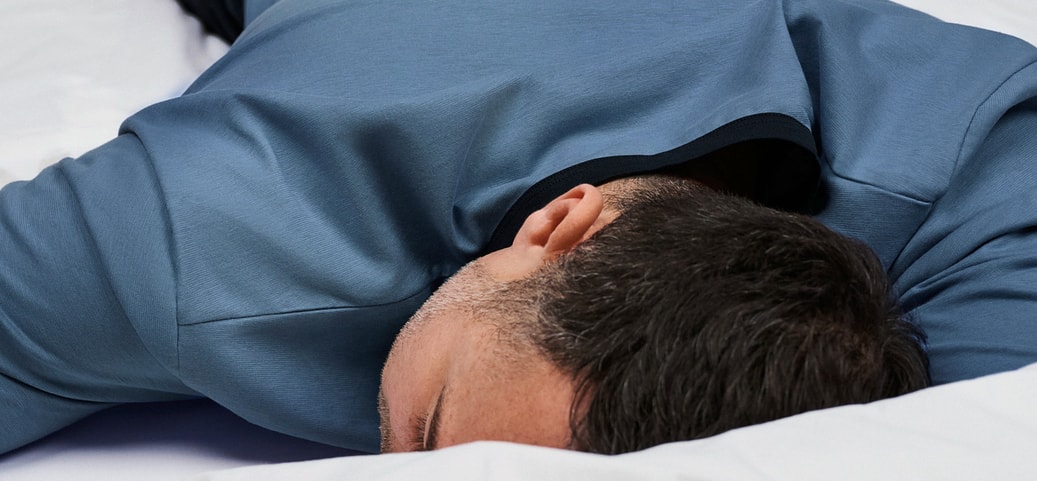
Night-time drooling occurs due to muscle relaxation, poor sleep posture and blocked airways.
Table of Contents
Why Do People Drool in Sleep? The Most Common Causes
• Muscle Relaxation During Deep Sleep
• Unfavorable Sleeping Positions: Side or Stomach
• Mouth Breathing Instead of Nasal Breathing
• Other Possible Causes of Nighttime Drooling
How to Reduce Drooling in Sleep: 5 Practical Tips
• Tip 1: Change Your Sleeping Position – Prefer Your Back
• Tip 2: Encourage Nasal Breathing
• Tip 3: Sleep with an Elevated Upper Body
• Tip 4: Avoid Certain Foods in the Evening
The key points
Drooling in sleep occurs when the muscles relax during deep sleep, causing the mouth to open and saliva to accumulate instead of being swallowed.
Other possible causes include an unfavorable sleeping position or mouth breathing due to blocked airways during a cold. If additional symptoms like breathing difficulties occur, it’s best to consult a doctor.
With simple measures such as adjusting your sleeping position, improving nasal airflow, and practicing good sleep hygiene, drooling can often be reduced.
Why Do People Drool in Sleep? The Most Common Causes
Many people drool in sleep from time to time—often without even noticing it. But what actually causes increased saliva production at night? Here are the most common reasons for nighttime drooling:
Muscle Relaxation During Deep Sleep
At night, you go through different sleep phases. During deep sleep, the entire body relaxes, including the muscles in your mouth and throat. This can cause the mouth to open automatically, so saliva is no longer swallowed.
This natural relaxation is a sign that your body is resting and regenerating—so it’s generally a good and completely normal process that does not affect your sleep quality.
Unfavorable Sleeping Positions: Side or Stomach
Your sleeping position also plays a crucial role in nighttime drooling. Especially when lying on your stomach or side, saliva can freely flow onto the pillow. In contrast, when lying on your back, the mouth tends to remain closed, as gravity does not pull the jaw downward. Changing your sleep position can often significantly reduce drooling.
Mouth Breathing Instead of Nasal Breathing
Another common cause of drooling in sleep is mouth breathing. You automatically breathe through your mouth when nasal airways are blocked by a cold, allergies, or anatomical features. The result: your mouth stays open all night, and saliva can escape.
Typical signs of blocked nasal breathing include snoring at night and a dry mouth in the morning.
Other Possible Causes of Nighttime Drooling
Beyond these main causes, other factors can contribute to increased saliva production at night. Some medications affect either saliva production or muscle tension in the mouth. Acid reflux or heartburn can also stimulate saliva production, as the body tries to neutralize stomach acid.
Note: In rare cases, neurological disorders or problems with the swallowing muscles can be behind excessive nighttime drooling. Medical evaluation is important—especially if drooling occurs suddenly, persists for a long time, or is accompanied by additional symptoms such as pauses in breathing.
Is Drooling in Sleep Normal?
The short answer: Yes, drooling in sleep is completely normal in most cases. Many people experience saliva escaping at night occasionally, without any cause for concern. After a long, tiring day or during particularly deep sleep phases, the muscles often relax so much that saliva can flow out of the mouth.
As long as drooling occurs only occasionally and you otherwise feel well, there’s no need to worry. However, if you drool heavily every night, or experience breathing problems, persistent snoring, or a constantly dry mouth, you should prioritize your health and consult a doctor to rule out possible airway issues.
How to Reduce Drooling in Sleep: 5 Practical Tips
If nighttime saliva bothers you, these five tips can help reduce drooling in sleep:
Tip 1: Change Your Sleeping Position – Prefer Your Back
As mentioned earlier, side and stomach sleeping positions encourage drooling. Try to sleep on your back more often. In this position, your mouth stays closed, and saliva flows naturally into the throat.
Tip 2: Encourage Nasal Breathing
If blocked airways are causing mouth breathing, address them directly. For colds or allergies, decongestant nasal sprays or saline solutions can help clear your nose. Ensure a healthy sleep environment: regular ventilation and slightly increased humidity help prevent your mucous membranes from drying out.
Note: If you still breathe through your mouth despite these measures, enlarged adenoids or a deviated septum could be the cause. Consulting an ENT specialist can help identify and treat the underlying problem.
Tip 3: Sleep with an Elevated Upper Body
A slightly elevated upper body during sleep can reduce saliva flow. This position prevents saliva from pooling in the mouth and also improves breathing. Use an extra pillow, neck roll, or an adjustable mattress to achieve this angle.
Tip 4: Avoid Certain Foods in the Evening
Heavy meals, spicy foods, or alcohol can stimulate saliva production and promote acid reflux. Opt for light meals at least two hours before bedtime to prevent excessive nighttime saliva.
Tip 5: Improve Sleep Hygiene
Good sleep hygiene isn’t just about cleanliness—it’s about routines that enhance sleep quality. Maintain regular sleep schedules, a calm and tidy bedroom, and relaxation rituals.
Your choice of sleepwear and bedding also matters: breathable fabrics like CALIDA pyjamas made of TENCEL™ or high-quality cotton provide optimal temperature regulation, ensure restful sleep, and enhance comfort throughout the night.
Conclusion
Drooling in sleep is a common phenomenon and usually harmless. The most frequent causes are muscle relaxation during deep sleep, unfavorable sleeping positions (stomach or side), and mouth breathing due to blocked airways. With simple measures such as changing your sleep position, improving nasal breathing, and maintaining good sleep hygiene, nighttime drooling can often be significantly reduced.
If drooling occurs very frequently or is accompanied by snoring, breathing problems, or a persistently dry mouth, consulting a doctor is recommended. This ensures no serious underlying causes and allows you to enjoy restful, dry, and relaxing nights.
Discover more interesting blog posts: